
Compare compression briefs, pocketed fitness pants, and adjustable sweat belts when sourcing waist-support apparel for retail or private labels.
Waist-support apparel is easier to source when buyers look beyond a single compression rating. Fit consistency, fabric recovery, wearing conditions, care instructions, and marketing language all influence customer satisfaction. When developing a waist-support collection, each item should have a well-defined purpose and a specification that distributors can explain clearly.
Procurement checkpoints that reduce returns
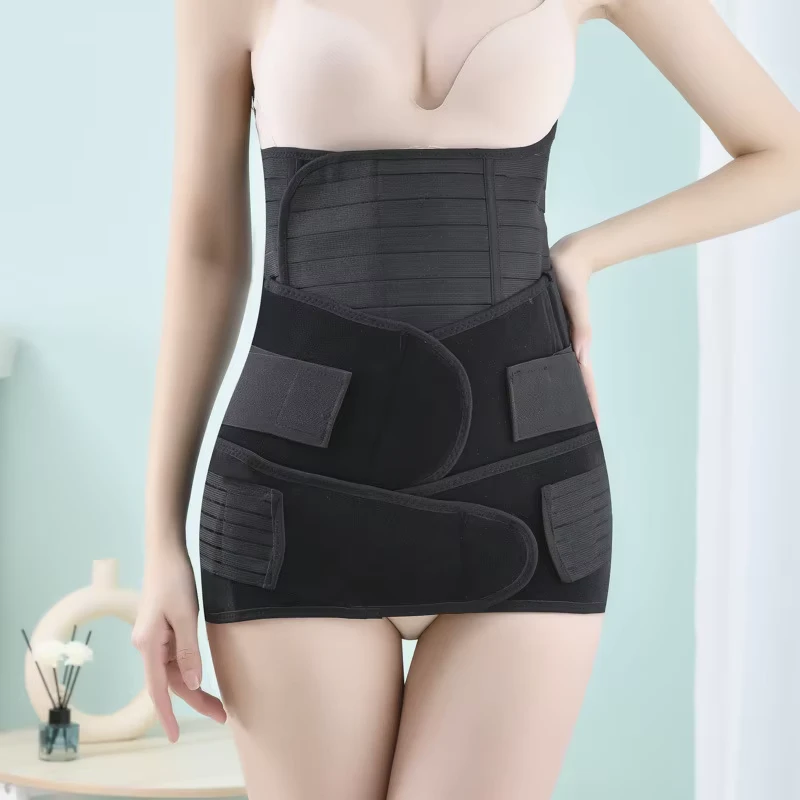
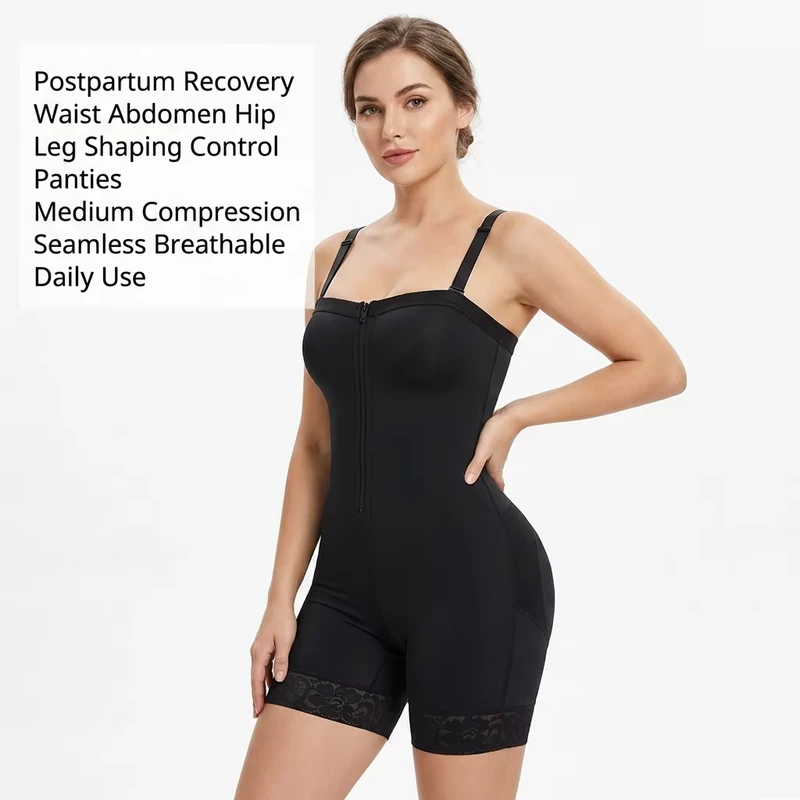
A seamless shaping brief provides medium control across the abdomen, hips, and thighs. Its knitted polyester, nylon, and spandex construction supports breathable, quick-drying daily wear, while the high waist and padded buttocks create a shaped silhouette. For postpartum-oriented ranges, brands should provide accurate sizing and avoid presenting supportive clothing as a substitute for medical care.
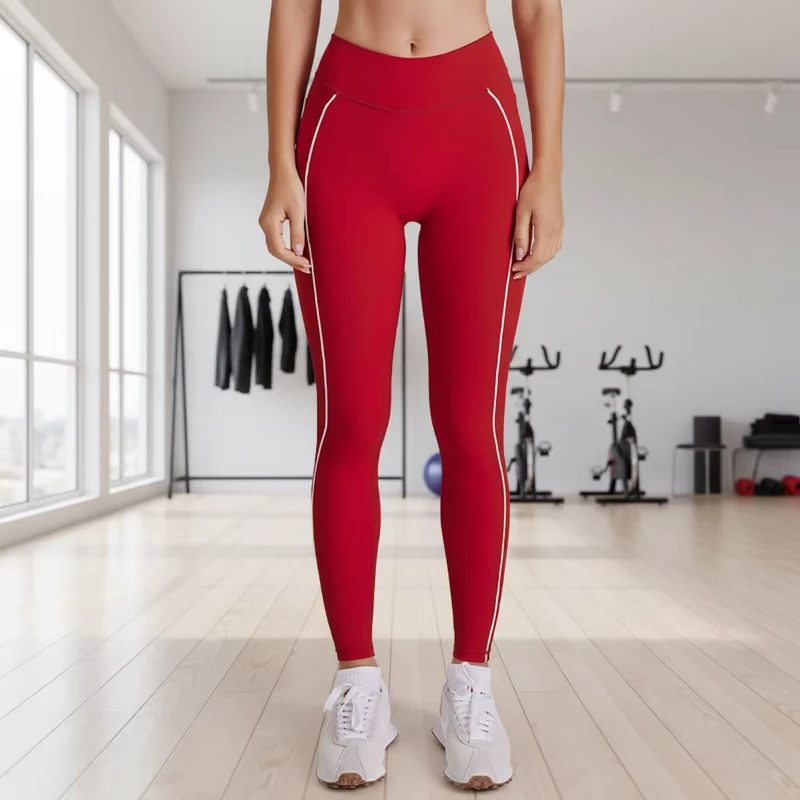
For activewear channels,pocketed fitness pants add practical value. The lightweight fabric offers four-way stretch, sweat-wicking performance, and a high elastic waist. Full-length construction and pockets suit running, gym, and leisure merchandising. Buyers considering custom logos or heat-transfer printing should confirm artwork requirements, placement, colorfastness, and wash-testing standards before production.
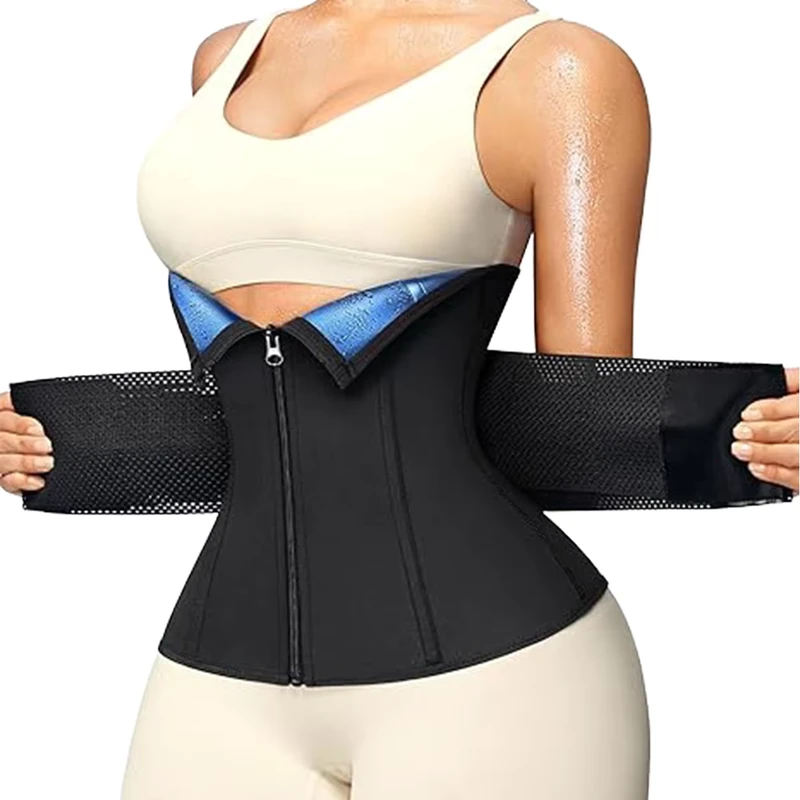
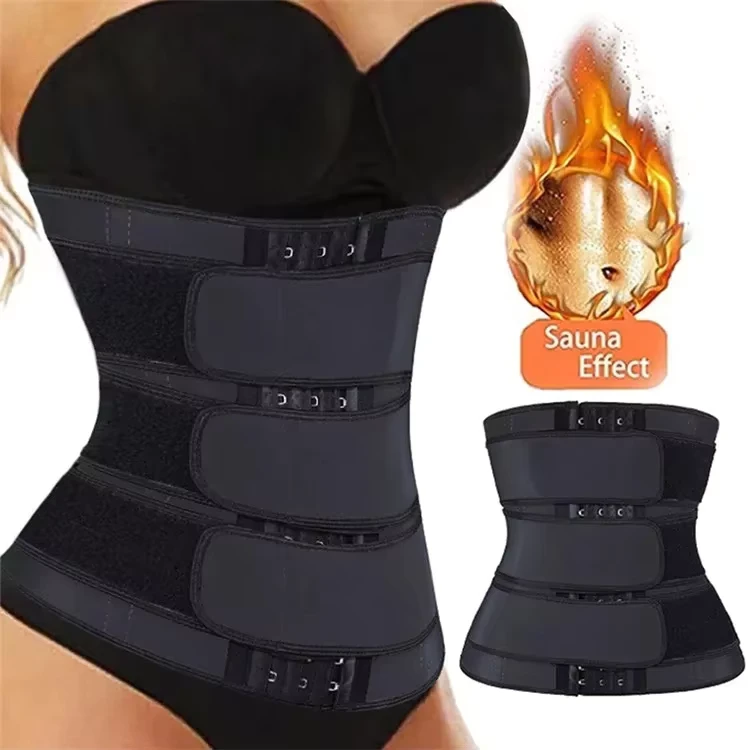
An adjustable sweat belt serves customers seeking concentrated abdominal compression during workouts or daily activities. Its neoprene and nylon construction should be evaluated for closure strength, edge comfort, flexibility, and size adjustability. Responsible product descriptions should also clarify that increased perspiration does not independently demonstrate permanent fat loss.
Build the quotation around evidence
A useful sourcing inquiry should include target market, required size range, order volume, branding method, packaging format, and compliance expectations. Importers can then request current stock information, samples, lead times, material details, measurement tolerances, and relevant test documentation. Clear specifications make comparisons more reliable and help manufacturers prepare an accurate commercial proposal for your next apparel program.